Many Denver patients wonder if their bite is actually a problem worth treating. Is your bite a candidate for orthodontics? What a Denver evaluation reveals can genuinely surprise people. Bite issues range from subtle to severe, and not all of them are obvious to the untrained eye. Dr. Desirea Scott at Denver Orthodontics & Dental Lounge helps patients understand exactly where they stand — and what their options are.
An orthodontic evaluation is not just about straightening teeth for appearance. It is about long-term oral health, jaw comfort, and function. Understanding candidacy begins with knowing what evaluators actually look for during an exam.
What Does a Denver Orthodontic Evaluation Actually Involve?
A thorough orthodontic evaluation goes well beyond a visual check. Dr. Scott examines your teeth, jaw alignment, and bite pattern in detail. She uses digital X-rays and sometimes 3D imaging to get a full picture of your oral structure.
During the appointment, she assesses several key factors:
- The alignment of your upper and lower teeth when biting down
- Spacing issues, including crowding or gaps between teeth
- Jaw position and any signs of TMJ stress
- Symmetry of your facial structure and dental midline
- Gum health and bone support around the teeth
This multi-point assessment tells a complete story about your bite. It reveals whether orthodontic treatment is necessary, beneficial, or something to monitor over time. You leave the appointment with real answers — not guesses.
Who Is a Strong Candidate for Orthodontic Treatment in Denver?
Candidacy depends on more than just crooked teeth. Many conditions make someone a strong candidate for orthodontic care. Dr. Scott evaluates each patient as an individual, not a checklist.
Common bite issues that often qualify for treatment include:
- Overbite: Upper front teeth overlap too far over the lower teeth
- Underbite: Lower teeth sit in front of the upper teeth when biting
- Crossbite: Upper and lower teeth do not meet correctly on one or both sides
- Open bite: Front teeth do not touch when the back teeth are closed
- Crowding: Teeth overlap because there is not enough space in the jaw
- Spacing: Gaps exist between teeth due to missing or small teeth
Children, teens, and adults in Denver are all potential candidates. There is no age cutoff for orthodontic care. However, treatment approaches differ depending on age and how much bone growth remains.
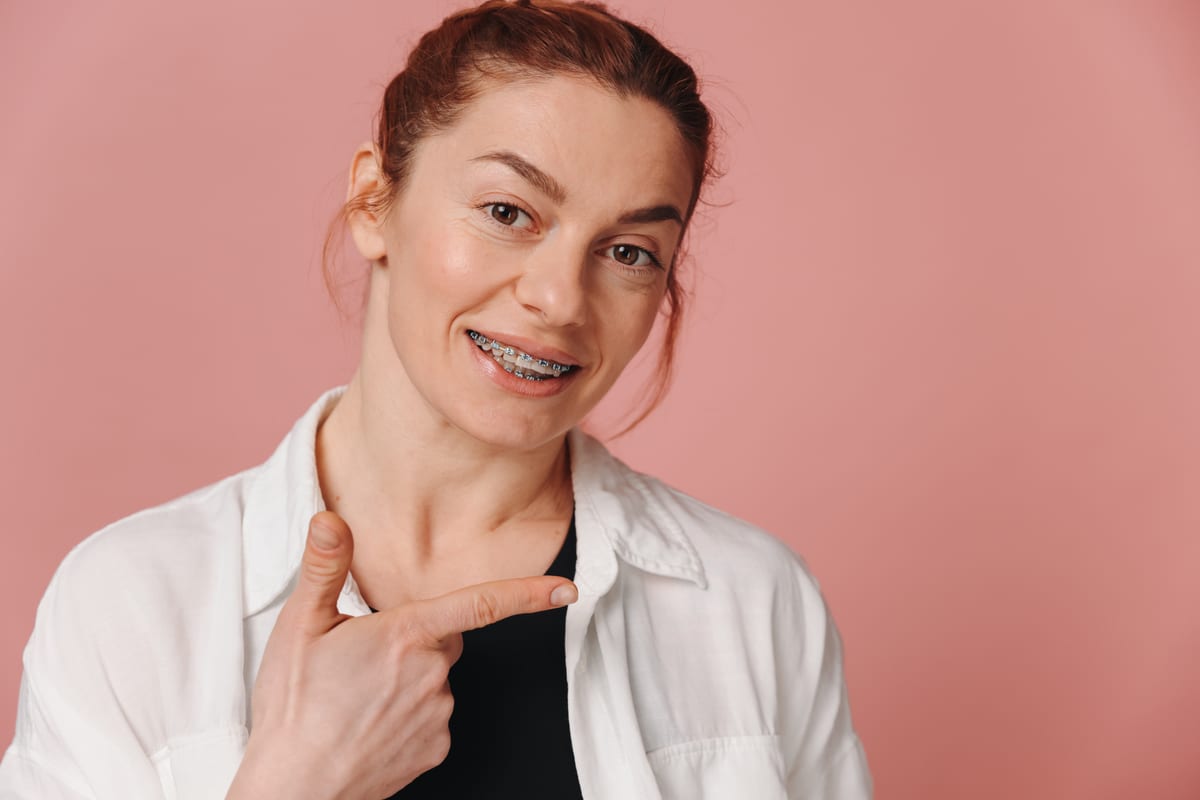
Adults often have excellent results with modern options like Invisalign. Teens may benefit from traditional brackets or clear aligners. Younger children sometimes need early interceptive treatment to guide jaw development.
What Factors Determine the Best Orthodontic Approach?
Once candidacy is confirmed, Dr. Scott discusses which treatment path fits best. Several factors shape that recommendation. Not every bite problem calls for the same solution.
Key factors that influence the treatment approach include:
Severity of misalignment: Mild crowding often responds well to Invisalign. More complex bite issues may need traditional orthodontics for precise control.
Patient lifestyle: Adults who prefer a discreet option often choose clear aligners. Compliance matters with removable aligners, so honest self-assessment is important.
Jaw involvement: When the jaw itself is misaligned — not just the teeth — treatment planning becomes more nuanced. Dr. Scott explains every step clearly so patients understand the reasoning.
Gum and bone health: Orthodontic movement requires a healthy foundation. If gum disease or bone loss is present, that must be addressed first. This protects your long-term results.
Dr. Scott takes time to walk through each factor with her patients. You will never feel rushed or confused about your options during a consultation at Denver Orthodontics & Dental Lounge.
How Teeth Whitening Fits Into Your Orthodontic Journey
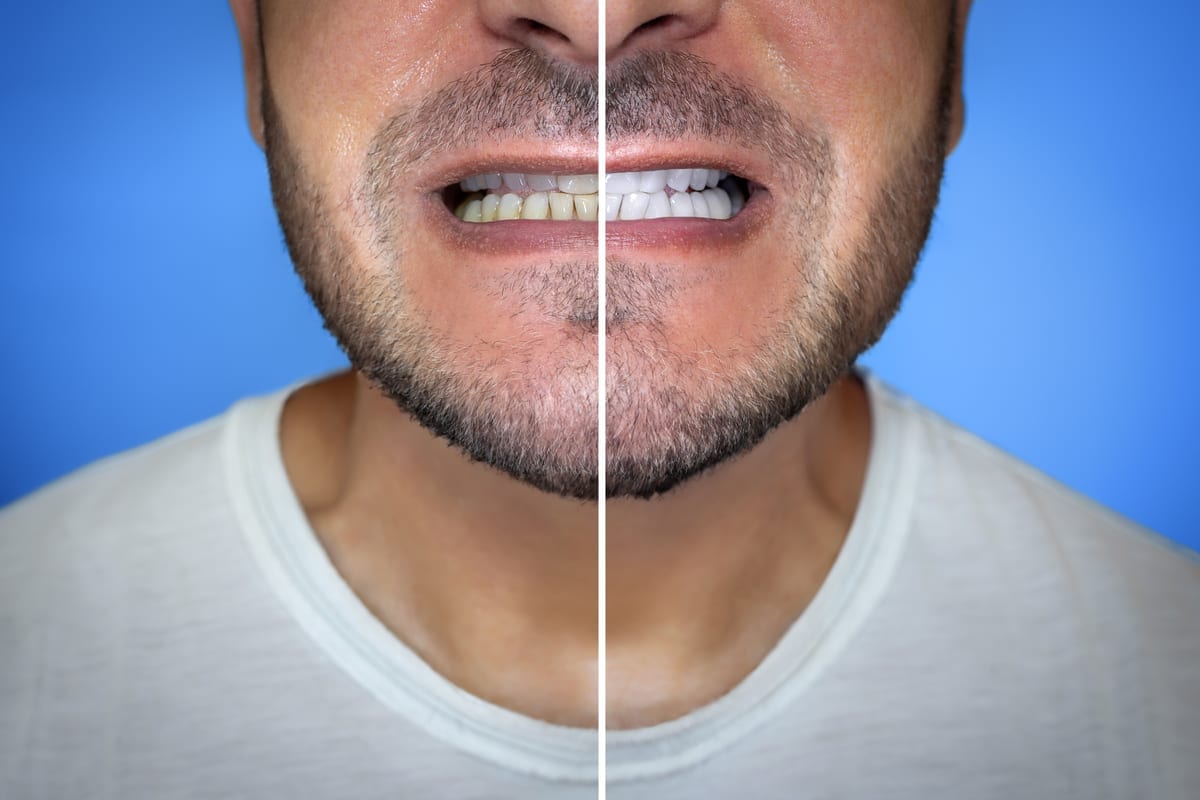
Many Denver patients choose to combine orthodontic treatment with cosmetic improvements. Teeth whitening is one of the most popular additions after completing orthodontic care. Straighter teeth create a more even surface, which makes whitening results look more uniform and striking.
Dr. Scott often recommends professional teeth whitening after completing Invisalign or braces. This timing ensures every surface gets equal exposure to the whitening agent. Whitening during treatment is generally not advised because brackets or aligners can block coverage.
Planning your full smile transformation from the start helps you set realistic expectations. Dr. Scott can walk you through what your smile may look like after orthodontics and whitening combined. This approach gives patients a clear and motivating vision for their end result.
What Happens After Your Evaluation?
After the evaluation, Dr. Scott presents a personalized treatment plan. This plan outlines the recommended approach, the expected timeline, and what each phase involves. There is no pressure to begin immediately.
Patients receive time to ask questions and consider their options. For those who are ready to move forward, the team at Denver Orthodontics & Dental Lounge makes starting simple. Records, scans, and next steps are all handled in-house.
For patients who are not yet candidates — perhaps due to gum health or other concerns — Dr. Scott provides a clear plan to get there. Every visit ends with a path forward. That is the kind of patient-centered care Denver families deserve.
If you have been wondering about your bite, there is no reason to keep guessing. A single evaluation with Dr. Desirea Scott can give you the clarity you need. Book Now to schedule your appointment with our team.
Frequently Asked Questions
At what age should someone get an orthodontic evaluation?
The American Association of Orthodontists recommends a first evaluation by age seven. However, teens and adults benefit from evaluations at any age. It is never too late to address bite issues and improve your oral health.
How long does an orthodontic evaluation take at Denver Orthodontics & Dental Lounge?
Most evaluations take between 45 minutes and one hour. Dr. Scott reviews your X-rays, examines your bite, and discusses findings and options during that same appointment. You will leave with a clear understanding of your candidacy and next steps.
Is Invisalign effective for all bite problems?
Invisalign works well for a wide range of bite issues, including mild to moderate crowding, spacing, overbites, and crossbites. Severe misalignment or complex jaw problems may require traditional orthodontic treatment. Dr. Scott will recommend the most effective option for your specific situation.
Can I combine orthodontic treatment with teeth whitening?
Yes, many patients choose to whiten their teeth after completing orthodontic treatment. Dr. Scott typically recommends waiting until braces or aligners are finished for the best, most even results. She can build teeth whitening into your overall smile plan from the beginning.
What if I had braces before but my teeth have shifted?
Teeth shifting after previous orthodontic treatment is very common. Dr. Scott can evaluate how much movement has occurred and recommend the most appropriate correction. Many adults in this situation find that Invisalign offers a convenient and effective retreatment option.