


Choosing between Invisalign and braces is one of the most common questions adults ask at our Denver practice. The answer genuinely depends on your lifestyle, bite complexity, and personal goals. When weighing Invisalign vs. braces for adults in Denver, there is no single winner — only the right fit for you. Dr. Desirea Scott at Denver Orthodontics & Dental Lounge helps patients navigate this decision every day.
This guide breaks down both options honestly. We cover comfort, appearance, compliance, cost, and the types of cases each treatment handles best. By the end, you will have a clear picture of which path suits your smile.
Comfort and Daily Experience: Invisalign vs. Braces for Denver Adults
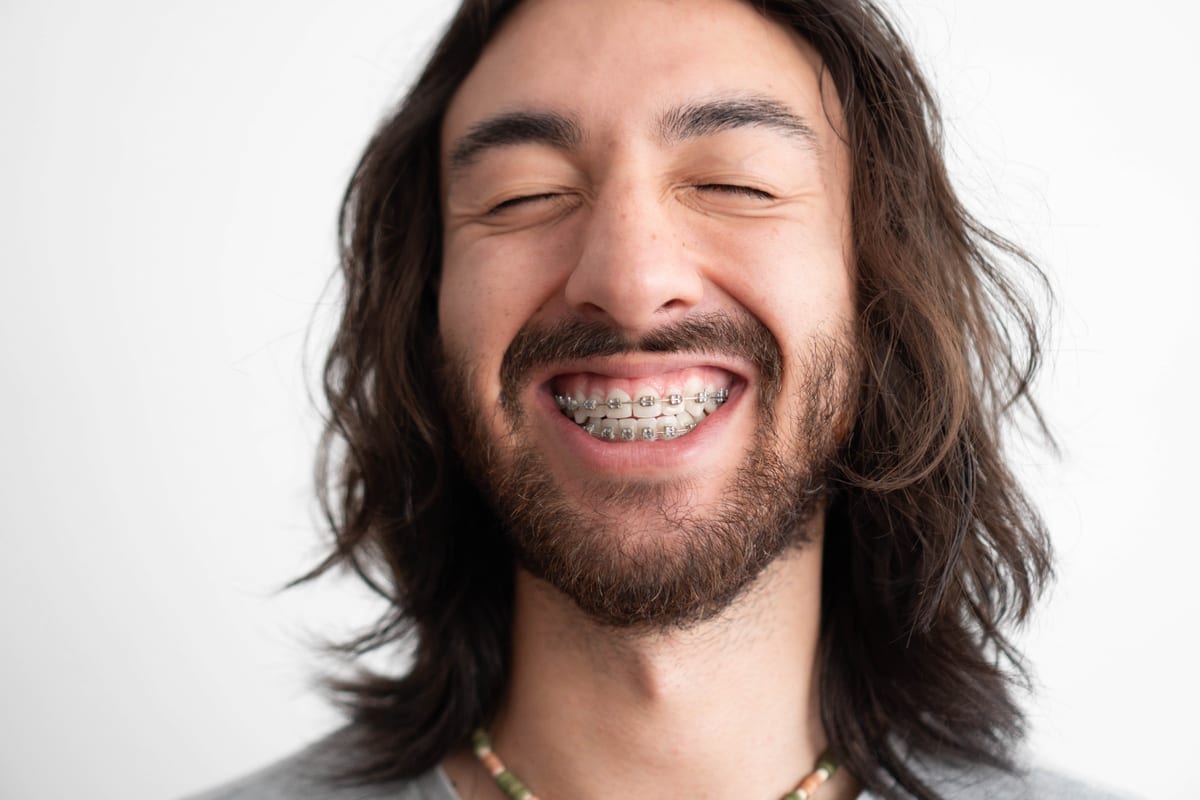
Traditional metal braces use brackets and wires bonded directly to your teeth. They apply consistent pressure to shift your teeth over time. Many adults find the brackets irritate the inside of their cheeks, especially in the first few weeks. Wires can also poke and require emergency visits to fix.
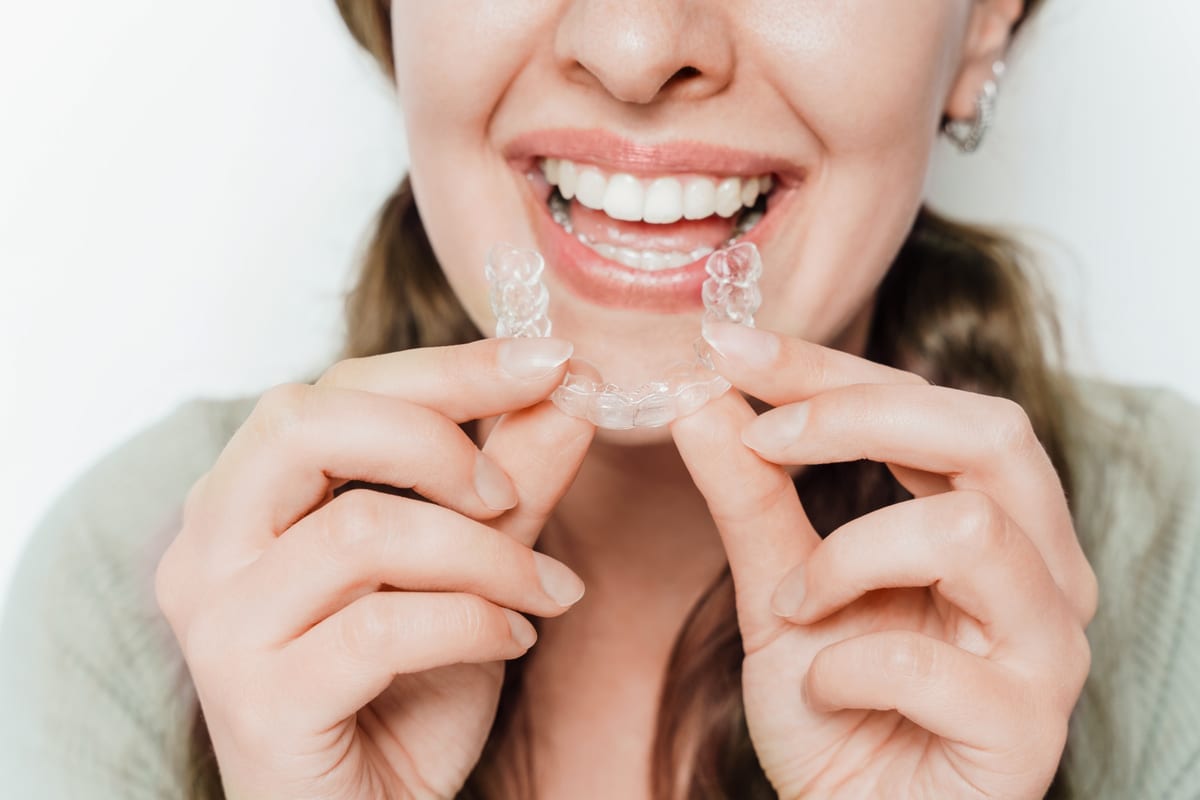
Invisalign uses a series of clear, removable aligners made from smooth plastic. Most adults report significantly less irritation compared to metal hardware. The aligners are trimmed to fit your gumline, reducing friction against soft tissue. That said, you will still experience pressure and mild soreness when switching to a new aligner tray.
Both options cause discomfort at the start of treatment. The key difference is the source and intensity of that discomfort. Braces create more ongoing friction. Invisalign discomfort tends to spike briefly every one to two weeks with each new tray.
- Braces: Constant low-level irritation from brackets and wires
- Invisalign: Periodic soreness when switching aligner trays
- Eating: Braces restrict certain foods; Invisalign has no food restrictions
- Oral hygiene: Invisalign is easier to clean around; braces require special tools
Visibility and Aesthetics: A Major Factor for Adult Patients
Let us be direct — most adults choose Invisalign primarily because of aesthetics. Clear aligners are nearly invisible during normal conversation. If you work in a client-facing role or frequently present professionally, this matters enormously. Many Denver adults simply do not want visible orthodontic hardware at work or in social settings.
Metal braces are obvious. Ceramic braces offer a less visible option, but they still involve brackets bonded to your teeth. They can stain over time, particularly if you drink coffee or tea regularly. Clear aligners avoid all of these issues entirely.
However, Invisalign does include small tooth-colored attachments in many treatment plans. These attachments help the aligners grip teeth and create more complex movements. They are barely noticeable, but worth knowing about before you start. Your provider will explain exactly how many attachments your specific plan requires.
Compliance and Lifestyle: The Hidden Variable Nobody Talks About
Here is where Invisalign vs. braces gets complicated for adults in Denver. Invisalign requires you to wear your aligners 20 to 22 hours per day. That means discipline. You remove them to eat and drink anything other than water, then put them straight back in.
Braces work around the clock because they are fixed to your teeth. You do not have to remember to wear them. For patients who know they will frequently forget or leave aligners out, braces may actually deliver better results. Treatment compliance is the single biggest factor affecting Invisalign outcomes.
Adults who travel frequently, dine out often, or have demanding schedules sometimes struggle with Invisalign compliance. Honest self-assessment is critical here. Dr. Scott discusses this directly with every patient before recommending a treatment path.
- Invisalign requires 20–22 hours of daily wear — no exceptions for best results
- Braces work continuously without any patient effort after fitting
- Removing aligners at every meal can feel inconvenient in social settings
- Lost or damaged aligners require replacement, which can delay progress
- Patients who travel often may find braces easier to manage
Treatment Scope: What Each Option Can Actually Fix
Technology has dramatically expanded what Invisalign can treat. It handles mild to moderate crowding, spacing issues, overbites, underbites, and crossbites effectively. For the majority of adult orthodontic cases in Denver, Invisalign is a clinically sound choice. The aligners have become far more capable over the past decade.
Complex skeletal issues are a different story. Severe bite problems sometimes require more precise force control than aligners can provide. In those situations, traditional braces offer more predictable outcomes. Some cases may even require surgical intervention — a process known as Orthognathic Surgery Denver patients can discuss directly with Dr. Scott.
Braces also handle tooth rotation and vertical movement with greater precision in severe cases. Your provider will take X-rays and scans to determine which option addresses your specific bite and alignment issues. Never assume one treatment fits all situations.
Cost Comparison: What Denver Adults Should Expect
Invisalign and traditional braces are often priced similarly for adults. The final cost depends heavily on treatment complexity and duration. Simpler cases cost less regardless of which method you choose. More involved treatment plans cost more across the board.
Invisalign can sometimes cost slightly more than metal braces for equivalent cases. However, the difference has narrowed significantly in recent years. Ceramic braces often cost similar to or more than Invisalign, so the comparison is not always straightforward. Ask for a detailed quote after your diagnostic records are taken.
One cost consideration many adults overlook is the potential need for teeth whitening after treatment. Braces can leave slight demineralization marks on enamel around brackets. Invisalign avoids this issue. After completing orthodontic treatment, many patients explore Teeth Whitening Denver to finish their smile transformation.
Which Option Is Right for You? A Summary
If aesthetics, comfort, and flexibility are your top priorities — and you can commit to wearing aligners consistently — Invisalign is an excellent choice for most Denver adults. If your case is highly complex, or if you know discipline will be a challenge, braces may serve you better. There is no universally superior option.
The most important step is getting a thorough evaluation from a qualified provider. Dr. Desirea Scott will assess your bite, review your lifestyle, and give you an honest recommendation tailored to your goals.
Ready to find out which treatment fits your smile and your life? Book Now to schedule your appointment with our team.
Frequently Asked Questions
Is Invisalign as effective as braces for adults?
Yes, for most mild to moderate orthodontic cases, Invisalign delivers results comparable to traditional braces. Complex bite issues may still require braces or a combination approach. A thorough evaluation with Dr. Scott will clarify which option suits your specific needs.
How long does Invisalign treatment take for adults in Denver?
Treatment time varies based on case complexity. Most adult Invisalign cases take between 12 and 24 months. Simpler alignment corrections can sometimes be completed in as little as 6 months. Your provider will give you a personalized timeline after reviewing your records.
Can adults get braces without it looking unprofessional?
Many adults opt for ceramic braces or lingual braces, which are placed on the inside of the teeth. These options are far less visible than traditional metal braces. Clear aligners remain the most discreet option overall for working professionals.
What happens if I do not wear my Invisalign aligners enough?
Insufficient wear time is the leading cause of poor Invisalign outcomes. If aligners are not worn 20 to 22 hours daily, teeth may not move on schedule. This can extend your overall treatment time and may require additional aligner trays to get back on track.
Do I need a retainer after Invisalign or braces?
Yes — retainers are essential after both treatments. Without a retainer, teeth will gradually shift back toward their original positions. Most patients wear a retainer nightly long-term to maintain their results. Dr. Scott will fit you for a retainer at the completion of your treatment.