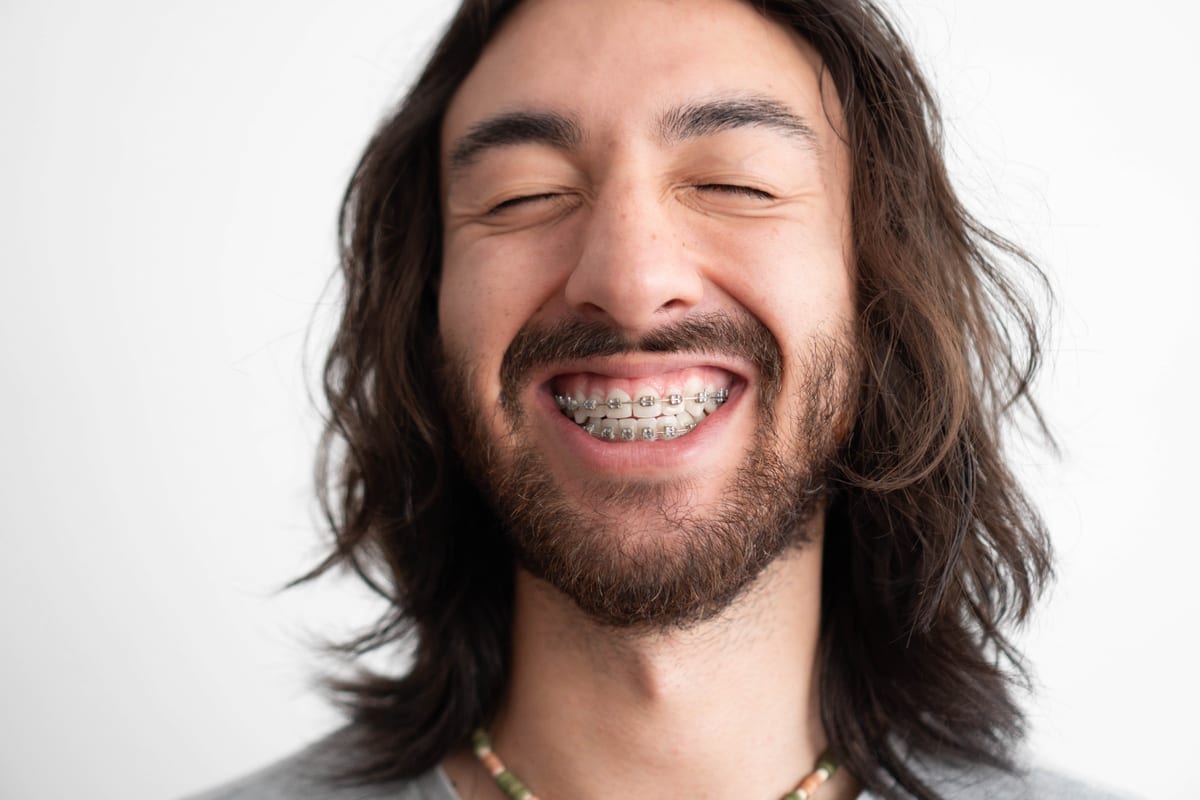



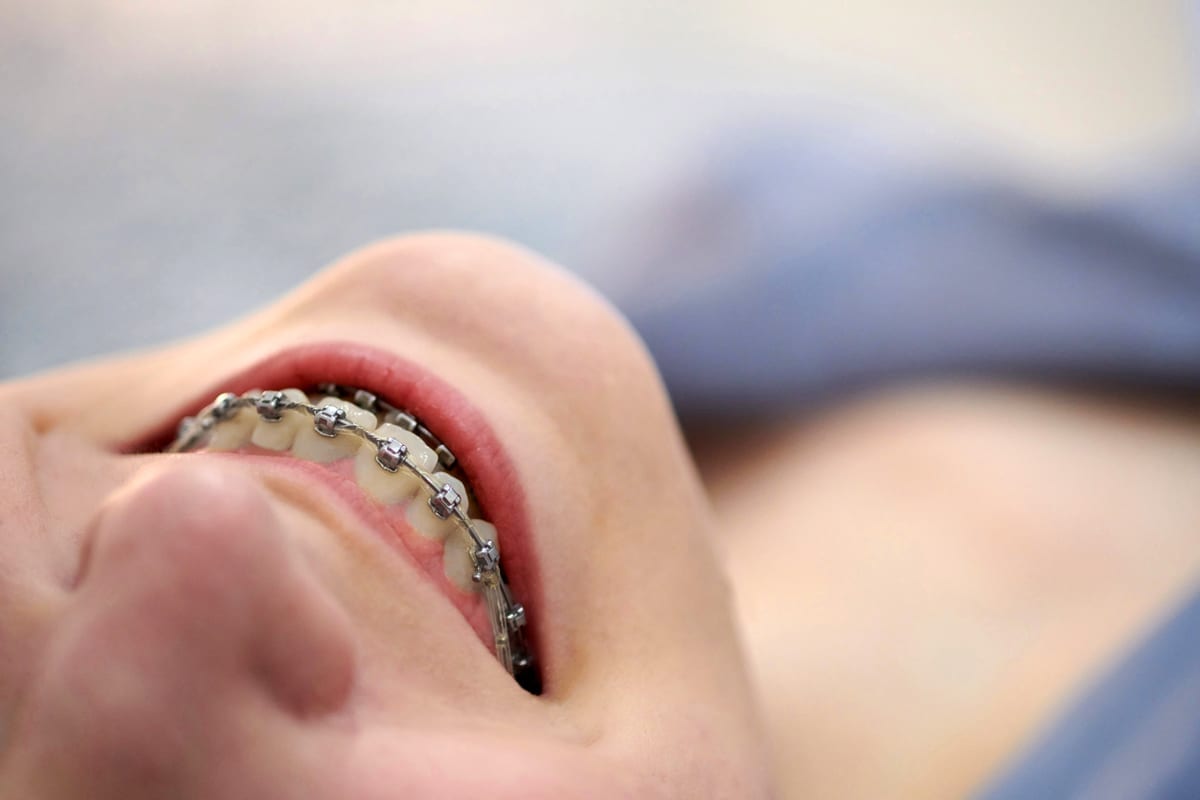
Many parents in Berkley wait until their child’s teeth look obviously crooked before seeking orthodontic advice. But early intervention is actually the key to stopping expensive bite problems before they start with early orthodontics in Berkley. Dr. Desirea Scott at Denver Orthodontics & Dental Lounge helps families catch developing issues at the right time. Acting early can save your child from years of complex treatment down the road.
Why Early Orthodontic Evaluation Matters in Berkley
The American Association of Orthodontists recommends a child’s first orthodontic evaluation by age seven. At this age, Dr. Scott can spot jaw growth concerns and bite irregularities early. Many problems are far easier — and less costly — to correct when a child’s jaw is still developing. Waiting too long can turn a simple fix into a complex, multi-year treatment plan.
Early evaluation does not always mean early treatment. Sometimes the goal is simply to monitor development and act at the ideal moment. Dr. Scott takes a thoughtful, individualized approach with every young patient in Berkley. She only recommends treatment when it will genuinely benefit the child’s long-term oral health.
Common Bite Problems That Get Worse Without Early Action
Several bite issues develop quietly during childhood. By the time they become visible, they may already be causing real harm. Recognizing these problems early is essential for prevention.
- Overcrowding: Teeth compete for limited space, leading to crookedness and hygiene challenges.
- Overbite: Upper front teeth extend too far over lower teeth, stressing the jaw joint.
- Underbite: Lower teeth sit in front of upper teeth, affecting chewing and speech.
- Crossbite: Upper and lower teeth do not align properly side to side, wearing down enamel.
- Open bite: Front teeth do not touch when the mouth closes, disrupting eating and speaking.
- Jaw growth imbalances: One side grows faster than the other, causing facial asymmetry over time.
Each of these conditions can worsen rapidly during growth spurts. Addressing them early reduces the severity of treatment needed later. Dr. Scott uses advanced diagnostic tools to identify these patterns before they become entrenched.
How Early Orthodontics Prevents Expensive Problems Later
Phase One orthodontic treatment typically takes place between ages seven and ten. It uses gentle appliances to guide jaw growth and create space for incoming permanent teeth. This proactive step is what allows children to avoid far more invasive procedures as teenagers or adults.
Without early treatment, a child with a severe crossbite may eventually need jaw surgery. A child with extreme crowding may require multiple tooth extractions as a teen. These outcomes are often preventable with timely, targeted intervention. The cost of early treatment is almost always lower than the cost of correcting a neglected problem years later.
Here is what early orthodontic intervention can help your child avoid:
- Surgical jaw correction as an adult
- Multiple tooth extractions due to severe crowding
- Prolonged full braces treatment lasting several extra years
- Chronic jaw pain or TMJ dysfunction from untreated bite misalignment
- Accelerated tooth wear from abnormal bite forces
- Speech therapy needs caused by structural dental issues
Investing in early orthodontics is truly an investment in your child’s future health. Dr. Scott designs Phase One treatment plans that are as minimal and comfortable as possible. The goal is always to do less now so your child needs far less later.
What to Expect During an Early Orthodontic Evaluation at Denver Orthodontics & Dental Lounge
Bringing your child in for an evaluation is a simple, stress-free process. Dr. Scott and her team in Denver make every young patient feel welcome and calm. The appointment is educational for both child and parent.
Here is what happens during a typical early orthodontic visit:
- Smile assessment: Dr. Scott examines teeth alignment, spacing, and overall bite function.
- Jaw evaluation: She checks jaw growth symmetry and movement to spot developmental concerns.
- Digital imaging: X-rays reveal how permanent teeth are forming beneath the gums.
- Growth monitoring plan: Dr. Scott outlines whether treatment is needed now, later, or not at all.
- Parent consultation: You receive a clear explanation of findings and next steps in plain language.
There is no pressure and no commitment required at this first visit. Dr. Scott believes parents deserve honest, straightforward guidance. Her priority is your child’s health, not filling a treatment schedule.
Berkley Families: When Should You Book That First Evaluation?
If your child is approaching age seven, now is the ideal time to schedule a consultation. You do not need a referral from a general dentist to visit Dr. Scott. Early orthodontic evaluations are open to any Berkley family concerned about their child’s dental development.
You should also consider an early evaluation if your child shows any of these signs:
- Difficulty chewing or biting food properly
- Mouth breathing or snoring during sleep
- Speech issues like lisping or difficulty pronouncing certain sounds
- Thumb sucking or pacifier use past age four
- Teeth that appear crowded, gapped, or misaligned
- Jaws that shift, pop, or look uneven
These signs do not guarantee a problem exists. But they are worth investigating before a small issue grows into a costly one. Dr. Scott will give you a confident, clear picture of your child’s orthodontic health.
Prevention Is Always Better Than Correction
The philosophy at Denver Orthodontics & Dental Lounge is rooted in prevention. Dr. Desirea Scott has helped countless families in Berkley and across Denver avoid complex orthodontic journeys. She does this by catching problems early and guiding development with precision and care.
Early orthodontics is not about rushing children into braces. It is about giving their growing smiles the best possible foundation. A well-aligned bite supports better chewing, clearer speech, easier oral hygiene, and lasting confidence. These benefits follow your child into adulthood and beyond.
If you are ready to stop expensive bite problems before they start, Dr. Scott is here to help. Her team provides compassionate, expert orthodontic care for Berkley families at every stage of development. Book Now to schedule your child’s early orthodontic evaluation with our team.
Frequently Asked Questions
At what age should my child have their first orthodontic evaluation?
Most orthodontists, including Dr. Desirea Scott, recommend a first evaluation by age seven. At this age, the jaw is still developing and early bite problems can be identified and addressed before they worsen. Early evaluation does not always mean early treatment, but it does give your child the best chance at a simpler orthodontic journey.
Does early orthodontic treatment mean my child will not need braces later?
Not necessarily, but it often significantly reduces the complexity of later treatment. Phase One treatment guides jaw growth and creates space for permanent teeth. Many children who receive early treatment still benefit from a shorter Phase Two with braces or Invisalign as teens, but the overall treatment time and difficulty is typically much less.
Is early orthodontic treatment painful for children?
Early orthodontic appliances are designed to be gentle and minimally invasive. Most children adapt to them quickly and experience only mild initial discomfort. Dr. Scott carefully selects the least intrusive treatment approach for each child and walks both the patient and parents through exactly what to expect.
How is early orthodontics different from regular braces?
Early orthodontics, or Phase One treatment, focuses on guiding jaw development rather than straightening teeth. It uses specialized appliances during a child’s growth window to prevent more serious bite problems from forming. Regular braces or Invisalign, typically used in adolescence, focus on aligning permanent teeth once most have erupted.
How do I know if my child in Berkley needs early orthodontic treatment?
Signs like crowded teeth, jaw shifting, mouth breathing, speech difficulties, or trouble chewing are all worth evaluating. The best way to know for certain is to schedule a consultation with Dr. Desirea Scott at Denver Orthodontics & Dental Lounge. She will assess your child’s development and provide honest, personalized guidance with no pressure involved.