


You’ve worn every tray. You’ve tracked every week. Now your Invisalign treatment is complete — and your smile looks amazing. But here’s what many Denver patients don’t expect: your Invisalign journey doesn’t end when trays do, and why retainers matter in Denver is something Dr. Desirea Scott discusses with every single patient at Denver Orthodontics & Dental Lounge. Skipping this final step can undo months of progress faster than you’d think.
The retention phase isn’t a footnote. It’s a critical chapter in your orthodontic story. Understanding what happens to your teeth after treatment — and why a retainer is non-negotiable — helps you protect every bit of your investment.
What Happens to Your Teeth After Invisalign?
Your teeth move because of consistent, gentle pressure applied over time. Once that pressure stops, your teeth don’t simply freeze in place. The bone and tissue surrounding each tooth need time to stabilize around their new positions.
This natural process is called orthodontic relapse. It happens to nearly everyone who skips retention. Your teeth have a kind of memory — they want to drift back toward where they started.
In Denver’s active lifestyle culture, patients are often eager to move on after treatment. But even small amounts of relapse can affect your bite and appearance. That’s why the retention phase exists: to give your bone time to solidify around your newly aligned teeth.
- Teeth shift most rapidly in the first 6–12 months after treatment
- Bone remodeling around tooth roots takes several months to complete
- Younger patients may experience faster relapse without a retainer
- Even minor crowding can return if retainers aren’t worn consistently
Why Retainers Are Non-Negotiable in Denver and Beyond
Retainers are the only way to hold your results after Invisalign. No other tool exists that reliably keeps teeth in their corrected positions long-term. Dr. Scott emphasizes this point because so many patients underestimate how quickly shifting can occur.
Think of a retainer as the maintenance plan for your smile. You wouldn’t restore a car and never change the oil. The same logic applies here. Your retainer is what keeps the work from unraveling.
Many patients in Denver also pursue additional cosmetic enhancements after completing Invisalign. Popular choices include Teeth Whitening, which can dramatically brighten the aligned smile you’ve worked so hard to achieve. Wearing your retainer protects that investment too.
Some dental cases require more significant structural correction before or after orthodontic treatment. Procedures like Orthognathic Surgery may be part of a broader treatment plan. In those situations, retention is equally important to preserve surgical outcomes.
Types of Retainers: Which One Is Right for You?
Not all retainers are the same. Dr. Scott will recommend the best option based on your specific treatment results and lifestyle. Understanding your choices helps you feel confident about your next step.
There are two main categories: removable retainers and fixed (bonded) retainers. Each has real advantages depending on your situation.
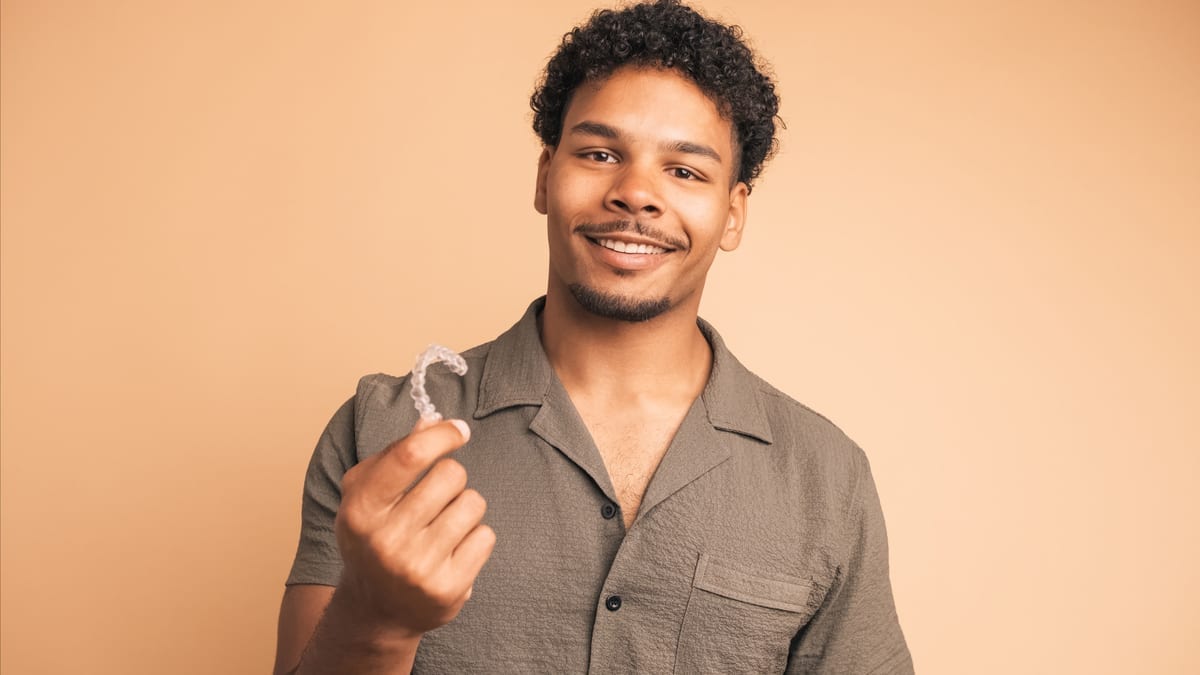
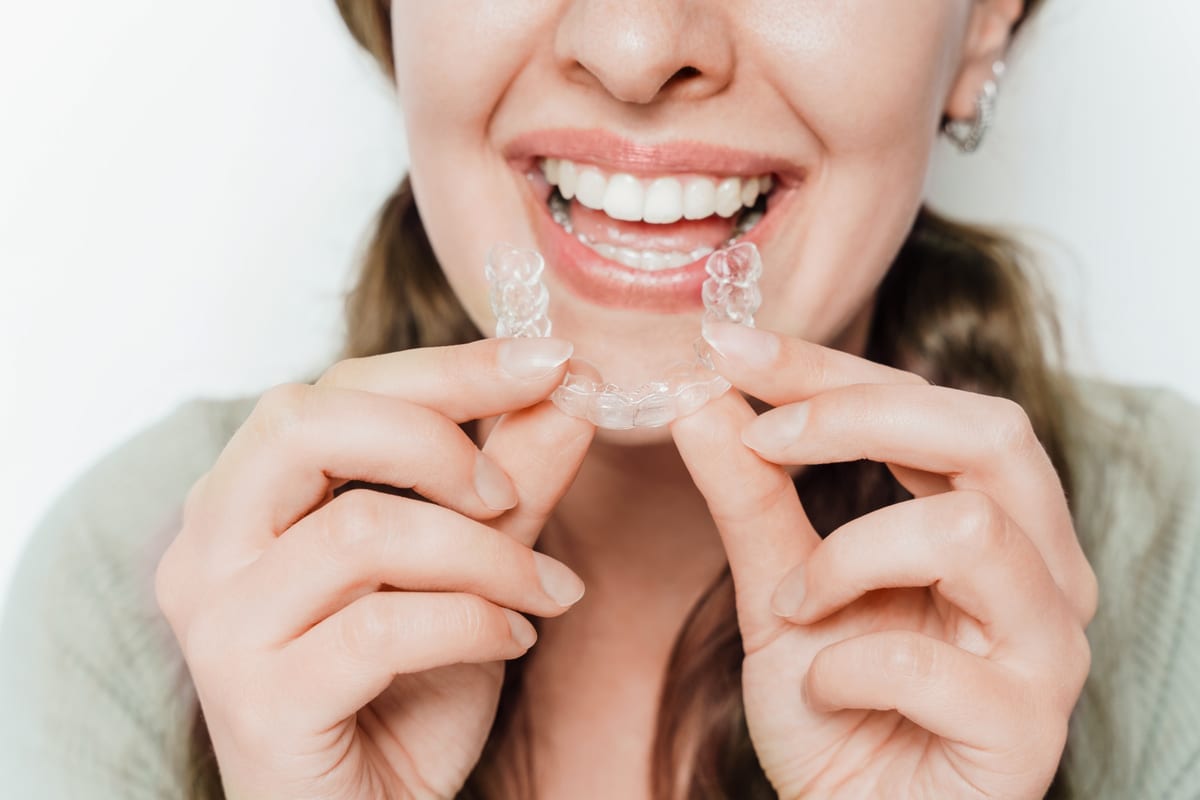
- Essix retainers: Clear, removable trays that look similar to Invisalign aligners — easy to wear and nearly invisible
- Hawley retainers: Traditional wire-and-acrylic retainers that are durable and adjustable over time
- Fixed (bonded) retainers: A thin wire bonded to the back of your teeth — works 24/7 with no effort required
- Combination approach: Some patients use a fixed retainer on lower teeth and a removable retainer on upper teeth
Each type requires different care habits. Removable retainers must be cleaned daily and stored properly. Fixed retainers need careful flossing around the wire. Your team at Denver Orthodontics & Dental Lounge will walk you through exactly how to care for whichever type you receive.
How Long Will You Actually Need to Wear a Retainer?
This is the question every Denver patient asks. The honest answer: most orthodontists recommend wearing retainers for life. That might sound extreme, but the science strongly supports it.
In the early months after Invisalign, full-time wear is typically required — usually 20 to 22 hours per day. This phase mirrors the commitment you made during active treatment. After several months, Dr. Scott may transition you to nighttime-only wear.
Over years, many patients successfully shift to wearing retainers just a few nights per week. However, stopping completely is risky. Teeth never truly stop shifting throughout a person’s life. Retainer wear is simply the smartest long-term habit for a stable smile.
Compliance is key. Many patients in Denver who experience relapse report that they stopped wearing their retainer within the first year. A few weeks of skipping can make a retainer feel tight — which is actually your body’s way of telling you the shifting has already begun.
Tips for Staying Consistent With Your Retainer
Building a habit around your retainer is easier than most patients expect. A few simple strategies go a long way toward protecting your results for years to come.
- Keep it in your routine: Store your retainer next to your toothbrush so you never forget to wear it at night
- Use a protective case: Never wrap a retainer in a napkin — it’s a common way retainers get lost or damaged
- Clean it daily: Rinse it every morning and clean it gently with a soft toothbrush
- Schedule check-ins: Visit Denver Orthodontics & Dental Lounge if your retainer feels tight or doesn’t fit correctly
- Replace when needed: Retainers wear out over time — having a backup or replacement made is a smart investment
If you lose or break your retainer, don’t wait to replace it. Every day without it is a day your teeth can shift. Contact the practice promptly so Dr. Scott’s team can get you a new one quickly.
Protecting Your Smile for the Long Haul in Denver
Your Invisalign journey doesn’t end when trays do — and why retainers matter in Denver comes down to one simple truth: you worked hard for your smile, and you deserve to keep it. The retention phase isn’t a burden. It’s the reward for finishing treatment the right way.
Dr. Desirea Scott and the team at Denver Orthodontics & Dental Lounge are here to support every stage of your orthodontic journey — including long after your last aligner tray. We help Denver patients maintain beautiful, healthy smiles for life. Book Now to schedule your appointment with our team.
Frequently Asked Questions
How soon after finishing Invisalign do I need to start wearing a retainer?
You should start wearing your retainer immediately after completing Invisalign — typically the same day or within 24 hours. Dr. Scott will have your retainer ready so there’s no gap in protection. Even a short break can allow early shifting to begin.
Will my retainer be uncomfortable to wear?
Most patients find retainers easy to adjust to, especially those who just finished wearing Invisalign aligners. A slight tightness is normal at first. If your retainer causes significant discomfort or pain, contact Denver Orthodontics & Dental Lounge so Dr. Scott can evaluate the fit.
What happens if I stop wearing my retainer after a year?
Stopping retainer wear — even after a year — puts your smile at risk for relapse. Teeth continue to shift throughout life due to aging, bite pressure, and natural bone changes. Most orthodontists recommend long-term or lifelong retainer use to preserve your results.
Can I whiten my teeth while wearing a retainer?
Professional teeth whitening is typically done separately from retainer wear. Removable retainers should be taken out during any whitening treatment. Ask Dr. Scott’s team about the best timing to combine whitening with your retention routine for the most effective results.
How do I know if my retainer needs to be replaced?
Signs that your retainer needs replacing include visible cracks or warping, a loose or poor fit, discoloration that won’t clean off, or a persistent bad odor. Most removable retainers last one to three years with proper care. Schedule a visit at Denver Orthodontics & Dental Lounge if you’re unsure whether yours is still working correctly.