


Crooked teeth are more than a cosmetic concern. Left untreated, misaligned teeth can lead to serious jaw problems that require surgery to fix. At Denver Orthodontics & Dental Lounge, Dr. Desirea Scott helps Denver patients stop crooked teeth now and avoid jaw surgery later. Early orthodontic treatment is one of the smartest investments you can make in your long-term health.
Many people delay orthodontic care because they think it is only about appearance. The truth is that misaligned teeth create mechanical stress on your jaw joints, muscles, and surrounding bone. Over time, that stress adds up. Understanding the connection between crooked teeth and jaw health can change how you think about treatment timing.
Why Crooked Teeth Lead to Jaw Problems in Denver Patients
Your jaw is a complex system of joints, muscles, and bones working together. When your teeth do not align properly, your jaw compensates. It shifts, overworks certain muscles, and puts pressure on your temporomandibular joint (TMJ).
This compensation can go unnoticed for years. Then symptoms appear: clicking, popping, jaw pain, or chronic headaches. By the time these symptoms show up, significant damage may already be present.
Severe misalignment can progress to a condition called skeletal malocclusion. This means the upper and lower jaws do not line up correctly. At an advanced stage, orthognathic jaw surgery becomes the only effective solution.
The good news is that catching misalignment early prevents this progression entirely. That is the core message: stop crooked teeth now, avoid jaw surgery later in Denver — and it starts with a timely evaluation.
Common Warning Signs You Should Not Ignore
Most jaw problems do not appear overnight. They develop gradually from untreated alignment issues. Knowing the warning signs helps you act before problems become severe.
Watch for these early red flags:
- Teeth that visibly overlap, crowd, or protrude
- Difficulty chewing or biting food comfortably
- Jaw clicking, popping, or locking when you open your mouth
- Frequent headaches or facial pain with no clear cause
- Uneven wear on your teeth or chipping along the edges
- Speech difficulties caused by poor tooth alignment
If you notice any of these signs, do not wait. An orthodontic evaluation with Dr. Scott can determine whether early intervention will prevent more complex treatment down the road.
Children as young as seven can benefit from an initial orthodontic screening. Adults can also benefit from treatment at any age. There is no point at which prevention becomes irrelevant.
How Invisalign and Orthodontics Prevent Jaw Surgery
Orthodontic treatment works by gradually moving teeth into proper alignment. This relieves the mechanical stress that causes jaw problems over time. When your bite is balanced, your jaw functions the way it was designed to.
Dr. Desirea Scott offers both traditional orthodontics and Invisalign at Denver Orthodontics & Dental Lounge. Both options correct misalignment effectively. The right choice depends on your specific needs and lifestyle.
Invisalign uses a series of clear, removable aligners. They shift teeth gradually and precisely. Many Denver patients prefer Invisalign because the aligners are nearly invisible and easy to wear daily.
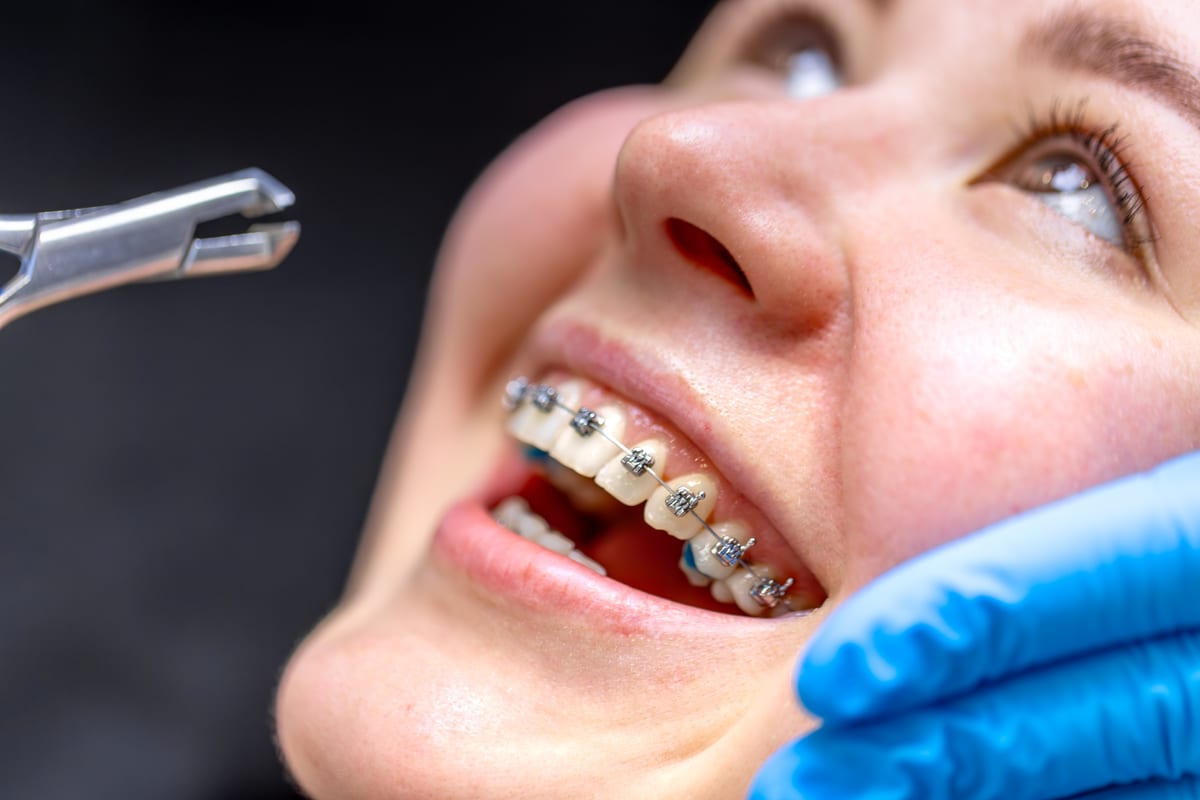
Traditional braces use brackets and wires to achieve more complex tooth movements. For severe misalignment, they often provide the most reliable results. Dr. Scott will recommend the best approach after a thorough clinical exam.
Here is what early orthodontic treatment accomplishes:
- Corrects crowding before it creates bite imbalance
- Guides jaw growth in younger patients for better long-term alignment
- Reduces strain on the TMJ and surrounding muscles
- Prevents uneven tooth wear that weakens enamel over time
- Lowers the risk of needing surgical jaw correction as an adult
Prevention through orthodontics is significantly less invasive and less costly than jaw surgery. The earlier treatment begins, the more options you have.
What to Expect at Your Orthodontic Evaluation in Denver
Starting the prevention process is straightforward. Your first visit with Dr. Scott is a comprehensive evaluation. It is not a sales consultation — it is a clinical assessment of your dental and jaw health.
During your appointment, Dr. Scott will review your dental history and perform a detailed exam. She will assess your bite, the alignment of your teeth, and the health of your jaw joints. Digital imaging may be used to get a complete picture.
After the evaluation, Dr. Scott will walk you through her findings in plain language. She will explain whether treatment is recommended now, whether monitoring is appropriate, or whether preventive action can begin immediately.
You will leave with a clear understanding of your options. There is no pressure and no guesswork. The goal is to give you the information you need to make a confident, informed decision about your care.
The Long-Term Value of Acting Early in Denver
Jaw surgery is a major procedure. It requires general anesthesia, a hospital stay, and a recovery period that can last several weeks. It also involves significant expense and disruption to daily life.
Orthodontic treatment, by comparison, is manageable and predictable. Invisalign appointments fit into a busy schedule. Treatment timelines are measured in months, not years for most cases. Results are lasting when paired with proper retention.
Patients in Denver who act early give themselves a meaningful advantage. They protect their jaw joints, preserve their natural teeth, and avoid the cascade of problems that comes from long-term misalignment. Early treatment is not just about straightening teeth — it is about protecting your entire oral system.
Dr. Scott and the team at Denver Orthodontics & Dental Lounge are committed to patient education above all else. When you understand why treatment matters, you make better decisions for your health. That is the philosophy behind every appointment at our practice.
Conclusion: Prevention Starts With One Appointment
Crooked teeth are not a cosmetic issue you can safely postpone. They are a structural issue that affects your jaw, your muscles, and your long-term quality of life. The path to avoiding jaw surgery starts with early, consistent orthodontic care. Dr. Desirea Scott is here to help Denver patients get ahead of these problems before they escalate. Book Now to schedule your appointment with our team.
Frequently Asked Questions
At what age should my child have an orthodontic evaluation?
The American Association of Orthodontists recommends an initial orthodontic screening by age seven. At this stage, Dr. Scott can identify developing alignment issues and guide jaw growth before problems become more complex. Early evaluation does not always mean early treatment — it means early awareness.
Can adults still benefit from orthodontic treatment to prevent jaw problems?
Absolutely. Adults at any age can benefit from orthodontic treatment. While jaw growth is complete in adults, correcting tooth alignment still relieves stress on the jaw joints and muscles. Many adult patients in Denver see significant improvement in jaw comfort after completing Invisalign or traditional orthodontic treatment.
How does Invisalign compare to braces for preventing jaw issues?
Both Invisalign and traditional braces effectively correct misalignment and reduce the mechanical stress that contributes to jaw problems. Invisalign is a popular choice for adults because the aligners are clear and removable. Dr. Scott will recommend the most appropriate option based on your specific bite and alignment needs.
What happens if crooked teeth are left untreated for years?
Untreated misalignment can lead to progressive jaw joint deterioration, chronic pain, uneven tooth wear, and in severe cases, skeletal malocclusion requiring jaw surgery. The longer treatment is delayed, the fewer options are available. Addressing alignment early gives you the broadest range of non-surgical solutions.
Does teeth whitening affect orthodontic treatment planning?
Teeth whitening is a cosmetic treatment that does not interfere with orthodontic planning. Dr. Scott often recommends completing whitening after orthodontic treatment so that all teeth achieve an even, consistent result. At Denver Orthodontics & Dental Lounge, both services can be coordinated to fit your overall dental care timeline.